Why High-rise Condo Restoration Is a Different Job
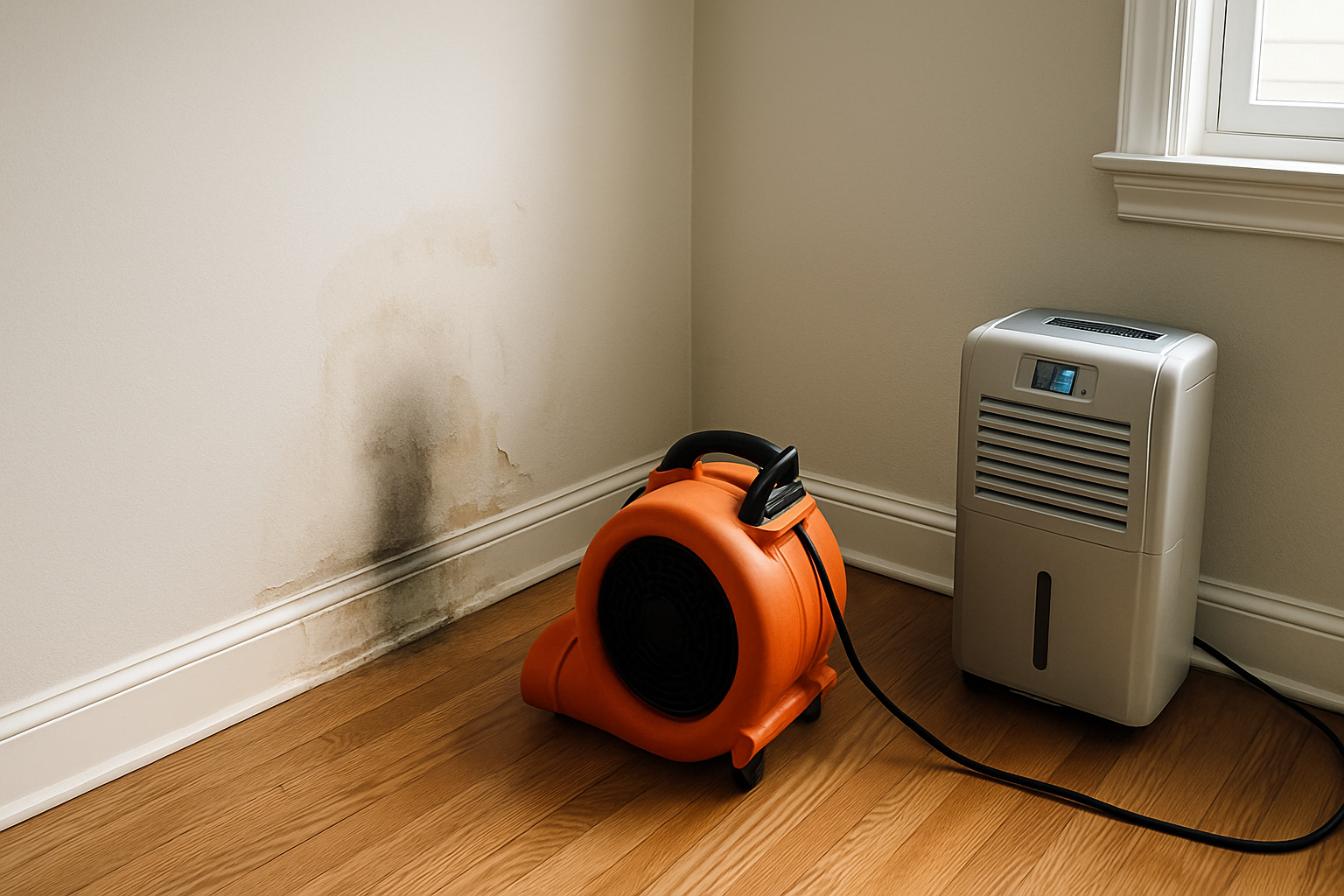
The technical work of drying a wet condo is straightforward — extraction, controlled airflow, dehumidification, moisture verification. The hard part is doing all of that inside an occupied luxury building without breaking the rest of the property: service elevators that won't fit standard equipment, strict noise windows from building management, common-area HVAC that can't be disrupted, COI requirements that block access until paperwork clears, and adjacent-unit residents who deserve to be communicated with even when their unit isn't the one being worked on.
We staff and equip specifically for this market. Low-profile water extraction units that fit standard service elevators. Isolating zip-wall containment systems designed for occupied multi-unit buildings, not open construction sites. HEPA-filtered negative-air units sized for individual unit volumes. Pre-cleared COIs ($2M general liability + workers comp, building named as additional insured) on file at most major buildings along the Hudson cliff so we don't lose 4 hours waiting on paperwork during an active loss.
The cascade containment problem
The signature high-rise restoration challenge is the multi-unit cascade — a supply line failure on an upper floor that affects 3 to 8 units below before maintenance reaches the riser shut-off. The work isn't done unit-by-unit; it's done in parallel, with simultaneous containment in every affected unit so drying can run without cross-contamination through party walls and ceiling cavities. We dispatch with a tech team per affected unit and run the job as one coordinated operation rather than serial visits.
Per-unit + master-policy documentation
Each affected unit gets its own scope-of-work in Xactimate format, its own moisture mapping, its own photo documentation. Each unit owner has their own HO-6 policy, plus the building has a master policy that covers shared elements. Per-unit documentation is what lets the multi-carrier claim resolve cleanly — without it, claims devolve into months of arguments over which policy pays for what. Our standard delivery is per-unit scopes plus a master-policy summary on the same submission, which cuts an average of three weeks off the claim cycle compared to the typical sequential approach.
Loss assessment coverage on individual HO-6 policies is worth flagging here too: building master policies often carry $25,000+ deductibles that bylaws may permit assessing back to affected unit owners. A small loss-assessment endorsement (typically $50-$150 per year) covers that exposure. We tell every Bergen high-rise client to read their HO-6 declarations page before they ever need us — once a loss has happened, the time to add coverage has passed.